|
Login / Register

Course Details

Bachelor of Industrial Technology major in Automotive, Electrical, Electronics, Mechanical, and Food Service Management

MGT 108 – Current Trends in Technological Industries Module

Instructor: JB Doria

Created: 23 Jun, 2025

Courses Descriptions

Table of Contents

Introduction to Current Trends in Technological Industries

  • Overview of Technological Advancements
  • Key Milestones in Technological Progress

Module 1: Introduction to Technological Trends

  • The Evolution of Technology from the Agricultural Revolution to the Digital Revolution
  • Key Technological Milestones
  • The Role of Managers in Navigating Technological Shifts
  • Case Studies: Amazon, Tesla, and Netflix

Module 2: Artificial Intelligence (AI) and Machine Learning (ML)

  • AI in Modern Industries
  • Key Milestones in AI Development
  • Supervised, Unsupervised, and Reinforcement Learning
  • AI and ML in Healthcare and Finance
  • Ethical Dilemmas in AI Adoption

Module 3: Internet of Things (IoT)

  • Introduction to IoT
  • IoT Components and Technologies
  • Applications in Smart Homes and Industrial IoT
  • Security Challenges and Solutions in IoT

Module 4: Blockchain Technology

  • Introduction to Blockchain: How It Works
  • Key Features of Blockchain
  • Consensus Mechanisms and Decentralization
  • Applications in Finance and Supply Chain

Module 5: Cloud Computing

  • The Evolution of Cloud Services
  • Types of Cloud Services (IaaS, PaaS, SaaS)
  • Benefits of Cloud Adoption for Businesses
  • Case Studies: Netflix, Airbnb, and Capital One

Module 6: 5G Technology

  • Overview of 5G Networks
  • Technical Specifications and Capabilities
  • Applications in Smart Cities and Autonomous Vehicles
  • Challenges in 5G Adoption

Module 7: Cybersecurity Trends

  • Current Cyber Threat Landscape
  • High-Profile Cybersecurity Breaches
  • Advances in Cybersecurity Technologies

Module 8: Robotics and Automation

  • The Role of Robotics in Healthcare, Agriculture, and Logistics
  • Future Trends in Robotics
  • Human-Robot Collaboration

Module 9: Augmented Reality (AR) and Virtual Reality (VR)

  • Differences Between AR and VR
  • Key Technologies Behind AR/VR
  • Applications in Gaming, Education, and Healthcare
  • Future Trends: Mixed Reality and Holoportation

Module 10: Big Data and Analytics

  • Introduction to Big Data: Volume, Velocity, Variety, Veracity
  • Applications of Big Data in Business Intelligence
  • Case Studies in Data-Driven Decision Making

Module 11: Digital Transformation

  • Drivers of Digital Transformation
  • Disruption of Traditional Business Models
  • Case Studies in Digital Innovation

Module 12: The Future of Digital Business

  • Emerging Trends: AI, Blockchain, IoT, and 5G
  • Strategic Implications for Businesses
  • The Role of Leadership in Digital Transformation

Module 13: Ethical and Social Implications of Emerging Technologies

  • Ethical Concerns in AI, IoT, and Genetic Engineering
  • Data Privacy and Security Regulations
  • Automation and Social Equity


Module 14: Future Trends and Predictions

  • Next-Generation Technologies: Quantum Computing, Biotechnology, and Space Exploration
  • Predictions for Technology Adoption and Market Growth
  • Strategic Implications for Businesses and Policymakers

Conclusion

  • Summary of Key Technological Trends
  • The Impact of Technology on Business and Society

Final Thoughts on the Future of Technology

Instructions for ETEEAP Students (Submit your module in this platform)
0:00:00
Module 1: Introduction to Technological Trends
8:00:00
Module 2: Artificial Intelligence (AI) and Machine Learning (ML)
5:00:00
Module 3: Internet of Things (IoT)
5:00:00
Module 4: Blockchain Technology
7:00:00
Module 5: Cloud Computing
6:00:00
Module 6: 5G Technology
7:00:00
Module 7: Cybersecurity Trends
7:00:00
Module 8: Automation and Robotics
5:00:00
Module 9: Augmented Reality (AR) and Virtual Reality (VR)
8:00:00
Module 10: Big Data and Analytics
5:00:00
Module 11: Sustainable Technologies
10:00:00
Module 12: Digital Transformation in Business
8:00:00
Module 13: Ethical and Social Implications of Technological Advancements
13:00:00
Module 14: Future Trends and Predictions
5:00:00
Module 15: Conclusion
13:00:00
Final Exam 1: 30 mins Google Form
0:00:00
Final Exam 2: Wayground 149 items
0:00:00
Final Exam 3: Introduce yourself & your key learnings in 5 mins video.
5:00:00
ETEEAP Program Feedback Survey
5:00:00

Instructor

JB Doria

Dean - College of Technology and Business

(1 Ratings)

5 Courses

404 Students

View Details

4.00

1 Reviews

1 Star
(0)
2 Star
(0)
3 Star
(0)
4 Star
(1)
5 Star
(0)

I took MGT 108 – Current Trends in Technological Industries under Sir Jb O. Doria as part of my BIT Electronics Technology program through ETEEAP at PSU Asingan, and I have to say, this subject surprised me in a good way. At first I thought it was going to be all textbook stuff about technology that I would not really use, but it turned out to be one of the most relevant courses I have taken so far. The module covered Industry 4.0, artificial intelligence, IoT, renewable energy, cybersecurity, and even 3D printing — and what made it work for me is that I could actually connect almost every topic to what I do as an NDT technician in the oil and gas industry here in Saudi Arabia. Like when we discussed AI in quality control, I immediately thought about the AI-powered defect recognition systems that are starting to appear in radiographic testing. Or when IoT came up, I realized that the sensors I see on pipelines every day are part of that exact same concept. Sir Doria presented the topics in a way that was easy to follow even for working students like me who are juggling jobs and studies across different time zones. The readings could get heavy at times, especially the parts on blockchain and cloud computing, but overall the workload was manageable. If I had one suggestion, it would be to include more examples from Philippine industries so we can see how these trends are playing out closer to home. But overall, I would definitely recommend this course to any ETEEAP student — it gives you a bigger picture of where your industry is headed, and that kind of perspective is something you do not get from just working on the field alone. Solid 4.5 out of 5 for me.

10 Mar, 2026

Write a Review

Courses Includes:

  • Price : ₱300.00
  • Instructor : JB Doria
  • Durations : 160 Hour
  • Lessons : 20
  • Students : 380
  • Language : English
  • Level : Advanced
  • Certifications : Yes
Access this Module

Share On:

Related Courses

  • 2 Students
  • 7 Lessons

RES Fundamentals of Research

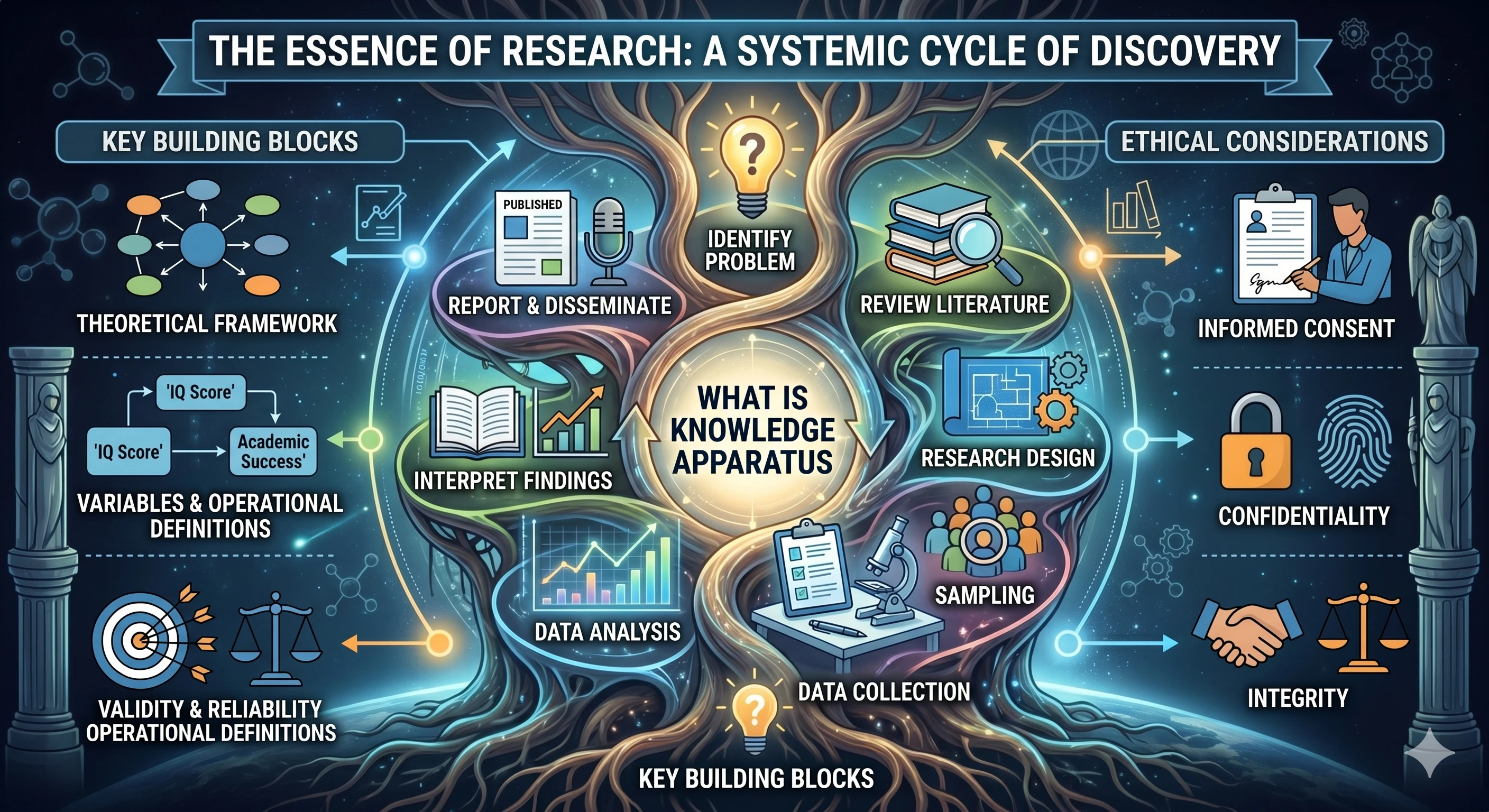
Fundamentals of Research: An Advanced and Comprehensive Module for ETEEAP Professionals This enhanced module provides an in-depth, competency-based exploration of academic and applied research. Tailored for working professionals in the Expanded Tertiary Education Equivalency and Accreditation Program (ETEEAP), it expands on foundational concepts to provide highly detailed, actionable methodologies. This comprehensive guide will empower you to design, execute, and report research that drives evidence-based improvements in your respective industries.Fundamentals of Research: An Advanced and Comprehensive Module for ETEEAP Professionals This enhanced and comprehensive module on Fundamentals of Research is specifically designed for professionals enrolled in the Expanded Tertiary Education Equivalency and Accreditation Program (ETEEAP). Recognizing the extensive industry experience, practical expertise, and professional competencies of adult learners, this module bridges real-world workplace practices with rigorous academic research standards. It provides learners with an advanced, competency-based foundation in research principles, methodologies, analytical techniques, and scholarly writing necessary for professional, organizational, and academic development. The module offers an in-depth exploration of the entire research process—from identifying practical and industry-relevant problems to developing conceptual frameworks, selecting appropriate methodologies, gathering and analyzing data, interpreting findings, and presenting evidence-based conclusions and recommendations. It emphasizes the importance of research as a tool for innovation, strategic decision-making, policy development, quality improvement, organizational efficiency, and professional advancement across various disciplines and industries. Designed for working professionals with diverse occupational backgrounds, this module integrates theoretical knowledge with practical applications. Learners will examine both qualitative and quantitative approaches to research, including mixed-methods strategies, enabling them to address complex workplace and societal challenges systematically and scientifically. Special emphasis is placed on applied research, action research, program evaluation, and industry-based investigations that generate measurable and meaningful outcomes within professional settings. The module further develops advanced competencies in problem identification, formulation of research objectives and questions, hypothesis development, literature review synthesis, research design selection, sampling procedures, instrument development, data collection techniques, statistical treatment, thematic analysis, interpretation of results, and ethical considerations in research conduct. Learners will also gain proficiency in academic writing, citation and referencing styles, plagiarism prevention, and the preparation of professional research reports aligned with institutional and international scholarly standards. In addition, this module highlights the role of technology and digital tools in modern research practices, including online databases, electronic journals, research management software, statistical applications, and data visualization platforms. It encourages critical thinking, analytical reasoning, evidence-based problem solving, and reflective professional practice, enabling learners to become competent practitioner-researchers capable of contributing valuable insights to their respective organizations and communities. By the end of this module, ETEEAP professionals will possess the knowledge, skills, and competencies necessary to conceptualize, design, implement, evaluate, and communicate high-quality research projects that support continuous improvement, innovation, and sustainable development in their fields of specialization. This module ultimately prepares learners to become effective research-oriented professionals who can apply scientific inquiry to address contemporary issues, improve workplace systems, and contribute to the advancement of knowledge and professional practice.


(0 Ratings)
  • 1 Students
  • 2 Lessons

FSM 106 Advanced Bread and Pastry Production

Advanced Bread and Pastry Production is a specialized culinary program for experienced bakers seeking to master professional-level techniques in artisan breads, viennoiserie, and fine pastry arts. The curriculum blends advanced fermentation science, dough development, and hands-on skills—such as laminating, tempering, and decorative plating—with a focus on recipe formulation, food safety, and contemporary trends. Designed to foster creativity and technical precision, the program prepares graduates for careers as pastry chefs, bakery consultants, or culinary entrepreneurs in today's dynamic food industry. Note: Program content may vary by institution.

(0 Ratings)
  • 2 Students
  • 1 Lessons

FSM 104 Quantity Cookery

Quantity Cookery is a subject that focuses on the principles and techniques of preparing and cooking food in large quantities for institutions, restaurants, catering services, and food businesses. It includes menu planning, standard recipes, portion control, kitchen organization, food costing, sanitation, safety practices, and efficient food production to ensure quality and consistency in large-scale food preparation.

(0 Ratings)