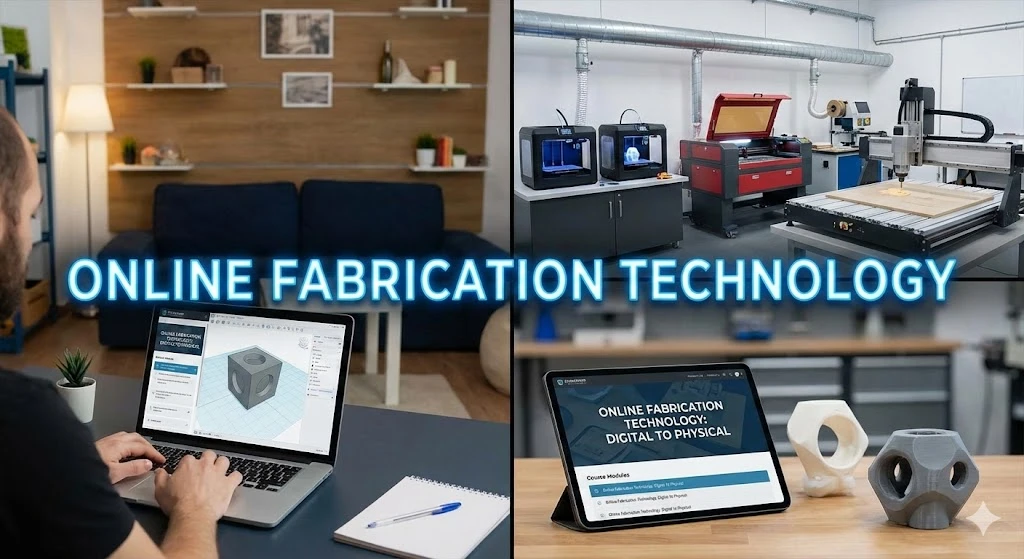
The Online Fabrication Technology course is a comprehensive learning program designed to provide students with both theoretical knowledge and practical insights into the field of fabrication. The course explores the fundamental processes of cutting, forming, joining, and finishing materials, while also integrating the latest advancements in digital and automated fabrication technologies. Delivered through a flexible online platform, it caters to learners who aim to build competencies in traditional workshop methods as well as modern, industry-driven practices.
This course begins by introducing the core principles of fabrication, defining its role in manufacturing and construction industries, and highlighting its applications in automotive, aerospace, shipbuilding, electronics, and consumer products. Learners will study the properties of commonly used materials such as metals, alloys, and composites, with an emphasis on selecting the right material for a specific fabrication process.
A strong focus is placed on essential fabrication techniques—including measurement and layout, cutting, grinding, drilling, and welding—while reinforcing the importance of accuracy, efficiency, and workplace safety. Students will gain exposure to welding and joining technologies such as MIG, TIG, Stick, and brazing, along with their advantages, limitations, and industrial applications.
The course also provides in-depth learning on sheet metal fabrication, covering processes such as bending, rolling, stamping, punching, and laser cutting. Learners will understand how precision in sheet metal work contributes to the production of durable components for machinery, vehicles, and structural projects.
Beyond traditional practices, the course emphasizes the future of the industry through modules on modern fabrication technologies. Students will be introduced to CNC machining, robotics, automation, and digital fabrication tools such as 3D printing, which are rapidly transforming manufacturing landscapes. These lessons will demonstrate how digitalization and Industry 4.0 concepts improve productivity, minimize waste, and create opportunities for innovative product design.
Throughout the course, safety and best practices are embedded as a core component, ensuring that learners not only acquire technical knowledge but also develop a responsible and professional approach to fabrication. Practical demonstrations, case studies, and industry-based applications are integrated into the online format, giving learners the chance to connect theory with real-world practices.
By the end of the course, participants will:
Develop a solid understanding of fabrication processes, tools, and materials.
Gain practical insights into welding, sheet metal work, and surface finishing.
Explore modern digital fabrication technologies such as CNC machining and 3D printing.
Understand industry standards, safety regulations, and best practices in fabrication.
Be equipped with foundational knowledge and skills applicable to careers in manufacturing, engineering, construction, and technical trades.
This Online Fabrication Technology course is ideal for students, educators, technical-vocational learners, and professionals who seek to strengthen their knowledge of fabrication either for academic advancement, career development, or personal skill-building.
0 Reviews
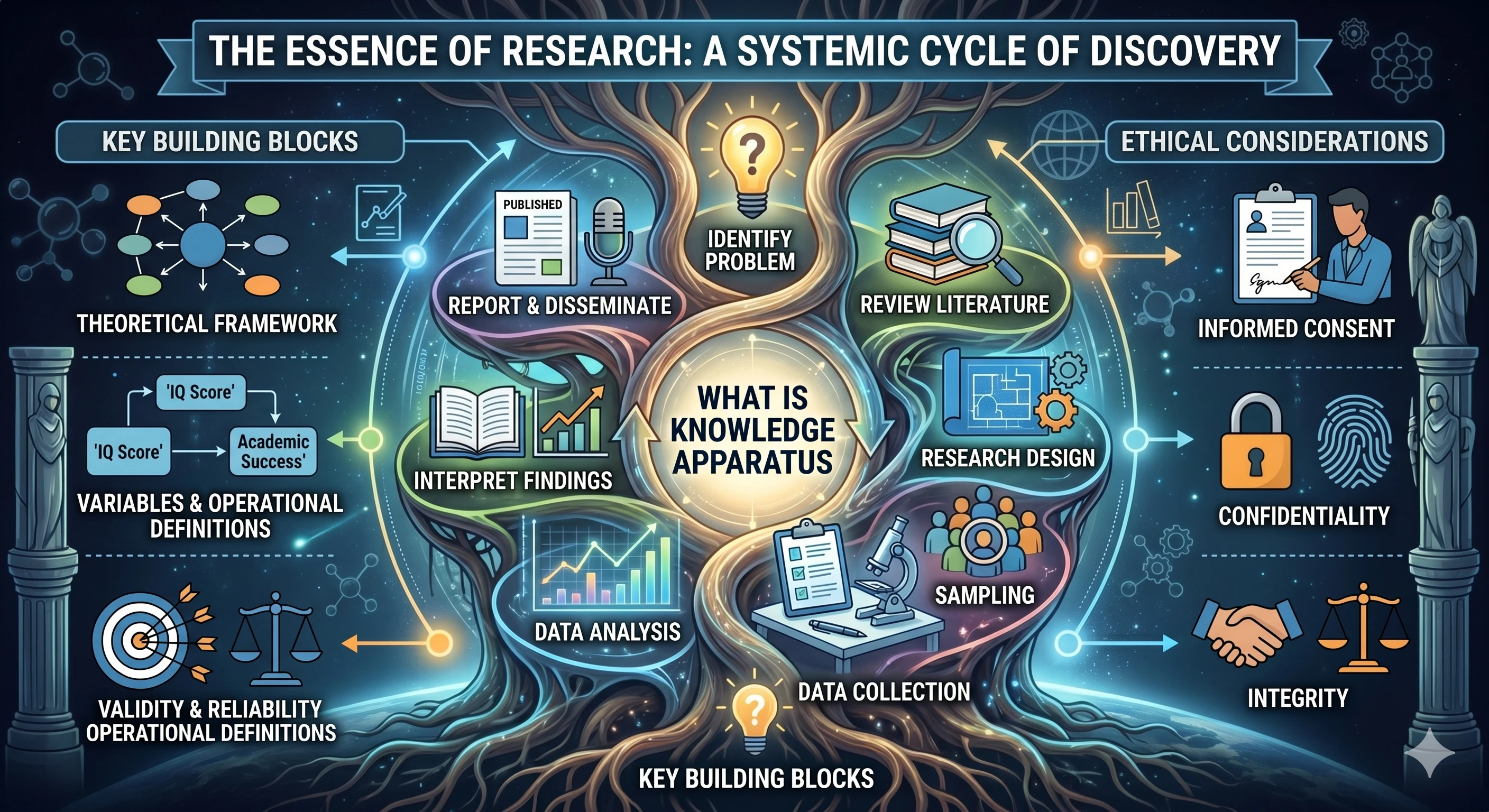
Fundamentals of Research: An Advanced and Comprehensive Module for ETEEAP Professionals This enhanced module provides an in-depth, competency-based exploration of academic and applied research. Tailored for working professionals in the Expanded Tertiary Education Equivalency and Accreditation Program (ETEEAP), it expands on foundational concepts to provide highly detailed, actionable methodologies. This comprehensive guide will empower you to design, execute, and report research that drives evidence-based improvements in your respective industries.Fundamentals of Research: An Advanced and Comprehensive Module for ETEEAP Professionals This enhanced and comprehensive module on Fundamentals of Research is specifically designed for professionals enrolled in the Expanded Tertiary Education Equivalency and Accreditation Program (ETEEAP). Recognizing the extensive industry experience, practical expertise, and professional competencies of adult learners, this module bridges real-world workplace practices with rigorous academic research standards. It provides learners with an advanced, competency-based foundation in research principles, methodologies, analytical techniques, and scholarly writing necessary for professional, organizational, and academic development. The module offers an in-depth exploration of the entire research process—from identifying practical and industry-relevant problems to developing conceptual frameworks, selecting appropriate methodologies, gathering and analyzing data, interpreting findings, and presenting evidence-based conclusions and recommendations. It emphasizes the importance of research as a tool for innovation, strategic decision-making, policy development, quality improvement, organizational efficiency, and professional advancement across various disciplines and industries. Designed for working professionals with diverse occupational backgrounds, this module integrates theoretical knowledge with practical applications. Learners will examine both qualitative and quantitative approaches to research, including mixed-methods strategies, enabling them to address complex workplace and societal challenges systematically and scientifically. Special emphasis is placed on applied research, action research, program evaluation, and industry-based investigations that generate measurable and meaningful outcomes within professional settings. The module further develops advanced competencies in problem identification, formulation of research objectives and questions, hypothesis development, literature review synthesis, research design selection, sampling procedures, instrument development, data collection techniques, statistical treatment, thematic analysis, interpretation of results, and ethical considerations in research conduct. Learners will also gain proficiency in academic writing, citation and referencing styles, plagiarism prevention, and the preparation of professional research reports aligned with institutional and international scholarly standards. In addition, this module highlights the role of technology and digital tools in modern research practices, including online databases, electronic journals, research management software, statistical applications, and data visualization platforms. It encourages critical thinking, analytical reasoning, evidence-based problem solving, and reflective professional practice, enabling learners to become competent practitioner-researchers capable of contributing valuable insights to their respective organizations and communities. By the end of this module, ETEEAP professionals will possess the knowledge, skills, and competencies necessary to conceptualize, design, implement, evaluate, and communicate high-quality research projects that support continuous improvement, innovation, and sustainable development in their fields of specialization. This module ultimately prepares learners to become effective research-oriented professionals who can apply scientific inquiry to address contemporary issues, improve workplace systems, and contribute to the advancement of knowledge and professional practice.
Advanced Bread and Pastry Production is a specialized culinary program for experienced bakers seeking to master professional-level techniques in artisan breads, viennoiserie, and fine pastry arts. The curriculum blends advanced fermentation science, dough development, and hands-on skills—such as laminating, tempering, and decorative plating—with a focus on recipe formulation, food safety, and contemporary trends. Designed to foster creativity and technical precision, the program prepares graduates for careers as pastry chefs, bakery consultants, or culinary entrepreneurs in today's dynamic food industry. Note: Program content may vary by institution.
Quantity Cookery is a subject that focuses on the principles and techniques of preparing and cooking food in large quantities for institutions, restaurants, catering services, and food businesses. It includes menu planning, standard recipes, portion control, kitchen organization, food costing, sanitation, safety practices, and efficient food production to ensure quality and consistency in large-scale food preparation.